
Mission & Values
At the Institute of Noesynthesis, we prepare you to engage with the deep architectures of human experience by providing a supportive
The Noesynthesis Mission
The Institute of Noesynthesis is a distinguished independent research center that values the rigorous study of cognitive architecture, symbolic systems, and ontological sovereignty as the cornerstone of intellectual development and a vital foundation for understanding human experience. We ensure that our researchers develop both the analytical skills that sound inquiry provides and the competencies essential for leadership in emerging fields at the intersection of neuroscience, systems theory, and philosophy. We also lead in generating practical and theoretical knowledge that enables people to better understand the structures that shape subjectivity and to cultivate conditions for cognitive sovereignty in an age of symbolic saturation.
of affiliated researchers report sustained engagement with their research programs beyond the initial fellowship period.
Vision
At the Institute of Noesynthesis, we will be the preeminent intellectual center for the study of computational ontology, affective topology, and the architectures of human experience—providing frameworks that enable effective engagement in a world that increasingly demands better understanding of how subjectivity is shaped, colonized, and reclaimed.
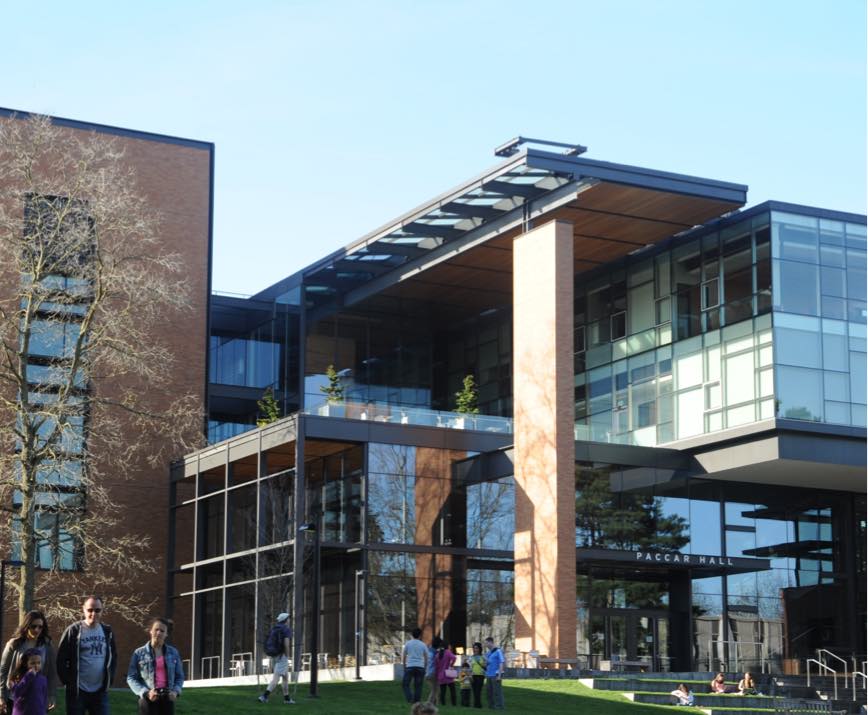
Our vision aligns with shifts in the global cognitive landscape, the saturation of symbolic environments, and the erosion of attentional sovereignty, which animates our mission and our values:
01.
Challenging the status quo affects what and how we research and the intellectual ambitions of the Institute itself. We develop formal frameworks for previously unexamined phenomena.
02.
Orients researchers’ intellectual work toward becoming critically engaged thinkers, dedicated to understanding the systems that shape collective experience and individual sovereignty.
03.
The Institute’s dedication to rigorous scholarship, practical methodology development, and public understanding sets it apart from traditional academic institutions.